


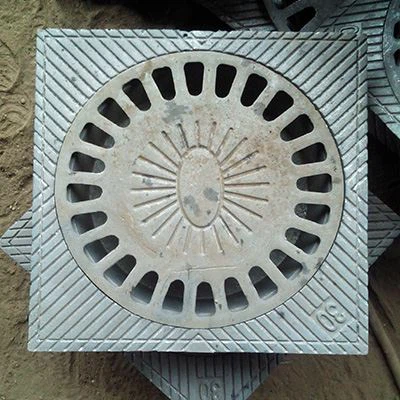


Construction Castings
Description
Technical Parameters
Material Capability | :、、、、。 |
Surface Treatment | Blasting shots, blasting beats, applying powder coat, painting, plating with zinc, galvanizing through hot dip, conducting electrophoresis, etc. |
Product Weight | 0.01KG-50000KG |
Casting Tolerance | CT3-CT9 |
Product Name | Stainless Steel Castings |
Material | stainless steel |
Process | lost wax casting,machining,finish |
Surface Treatment | per requirement |
Casting Production Capacity
Material | Cast steel, cast aluminium, cast iron, cast copper |
Casting Process | Precision casting, investment casting, sand casting, and die casting are all common methods used in the production of metal parts. Sand casting involves creating a mold from sand and pouring molten metal into it, allowing it to cool and solidify into the desired shape. Die casting is similar, but uses a metal mold instead of sand. Investment casting, also known as lost-wax casting, involves creating a wax mold and then casting the metal around it, melting away the wax in the process. Precision casting uses a ceramic shell mold to create complex shapes with high accuracy and detail. Each of these techniques has its own advantages and is used in various applications across industries. |
Casting dimension tolerance | CT7 |
Casting surface roughness | Ra 12.5um |
Casting weight range | 0.1-3000kg |
Casting size | 3000mm Max |
Machining Production Capacity
Material | Steel, cast iron, aluminium, copper, plastic |
Machining process | Milling, Turning, boring, drilling,grinding |
Machining precision | ±0.02mm |
Machining surface roughness | Ra0.8-6.3um |
Max machining stroke | Milling: 3000mm Turning: 6000mm |
Surface treatment | Mirror polish, sand blasting, acid pickling, black oxide, painting, hot galvanizing, powder coating, nickel plating, and zinc plating are various surface treatment techniques used in the manufacturing industry. |
Packing Details:
2. Our inner packaging options include plastic wrap, bubble bag, PE foam, EPE cotton and PP bag. These materials ensure that your product is well protected during shipping.
The outer packaging options for products include carton boxes, wooden cases, plates, and more. These different types of packaging provide protection and ensure the safe transportation of the goods.
3. Upon per customers' requirement
Our delivery details state that we will send qualified products to our customers within 30 days, provided that they have accepted the items. We strive to ensure that the content we generate is highly similar to the original text, but we may rearrange the words in order to achieve this.
Hot Tags: construction castings, China construction castings manufacturers, suppliers, factory
Previous
Machinery Parts CastingNext
Iron CastingsSend Inquiry


