


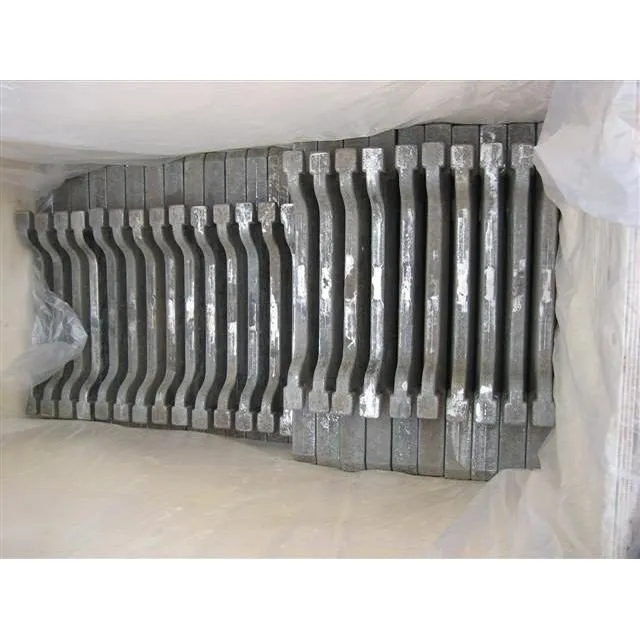
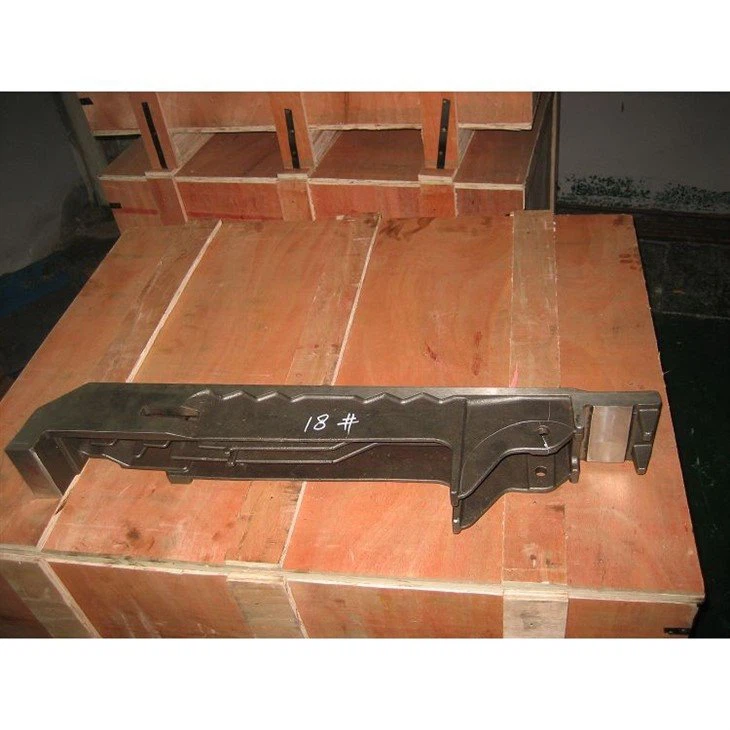
Description
Technical Parameters
Item | Description |
Service | OEM / ODM or Sample Production |
Process Technology | The process of lost wax casting, also known as soluble glass casting or silicasol casting, is a popular and widely used method in the field of precision CNC machining. It involves creating a replica of the desired product by using a wax pattern, which is coated with a soluble glass material. This coated wax pattern is then surrounded by a ceramic shell, which is created by alternating layers of ceramic slurry and stucco. Once the ceramic shell is complete, it is heated to a high temperature, causing the wax to melt and flow out, leaving behind a cavity in the shape of the desired product. |
Material we can cast | (1) Grey iron, ductile iron, pig iron |
| (2) Carbon steel, stainless steel, alloy steel | |
| (3) Aluminum alloy, aluminium, A380, aluminum 6061 | |
| (4) Zinc alloy, copper, brass, bronze etc | |
Size | Customized as customer's drawings |
Weight Range | 0.02-50 KGS |
MOQ | 500 Pieces |
Tolerance | ±0.02mm |
Surface Treatment | Some of the popular surface finishing techniques include heat treatment, polishing, plating, machining, anodizing, shot and sand blasting, zinc plated, oxide, galvanized, and many others. Each of these techniques has its unique advantages and applications in various industries. Heat treatment is a process that involves heating a material to a certain temperature and then cooling it slowly to achieve the desired properties such as hardness, durability, and strength. Polishing is a technique that involves smoothing and shining a surface by using abrasive particles. Plating involves coating a material with a thin layer of another metal to improve its appearance, resistance to corrosion, and other properties. Machining is a process that involves cutting, drilling, and shaping a material using various tools and machines. Anodizing is a process that involves creating an oxide layer on the surface of a material to improve its corrosion resistance, durability, and appearance. Shot and sand blasting involves propelling abrasive particles at high speed to remove rust, paint, and other contaminants from a surface. Zinc plated, oxide, and galvanized coatings are used to protect metals from rust and corrosion by forming a barrier between the metal and the environment. These surface finishing techniques are essential for maintaining the quality and performance of various products in different industries. |
Testing | Three coordinate measurement machine for testing. |
Certification | ISO9001: 2008 |
Standard | ISO, DIN, AISI, ASTM, BS, JIS, etc. |
OEM Material We manufacturer:
Process Techonology | Material |
Investment casting | ASTMA148class80-40, ASTMA148Class80-50 A572GR60, AISI316 stainless steel ST52, S355, GS-52.3, ASTMA48Class30B CK45, 1.7218-25CrMo4 |
Sand casting | The following are some of the materials commonly used in various industries: |
Die casting | C1040, A356, A380,AISI12 |
Stamping Parts | Steel, alloy, Aluminum or as above |
Forging | Zinc, aluminum, copper, brass, steel, alloy, or other materials mentioned above are commonly used in various industries. These materials possess different properties and characteristics, making them suitable for specific applications. |
CNC Machining | Some examples of popular materials used in manufacturing include steel, alloys, aluminum, zinc, copper, brass, and other similar substances. These materials are sought after for their unique properties and the benefits they offer in various applications. Steel is prized for its strength and durability, while alloys combine multiple elements to create materials with specific characteristics. Aluminum is lightweight and corrosion-resistant, making it ideal for construction and transportation. Zinc is sometimes used as a coating to protect other metals from corrosion, and copper is widely used in electrical wiring. Brass is a popular material for decorative objects or musical instruments, and other materials are often chosen for their specific properties in a given application. |
Hot Tags: specialty alloy castings, China specialty alloy castings manufacturers, suppliers, factory
Previous
Copper CastingsNext
No InformationSend Inquiry


